Road Trip to Spiti Valley: A Thrilling Drive Through Cold Deserts, Monasteries, Moon Landscapes, Hairpin Bends, Ancient Villages, and the Stark Beauty of the Himalayan Wilderness
By Clickzter Team | High Altitude Drives | April 2, 2025
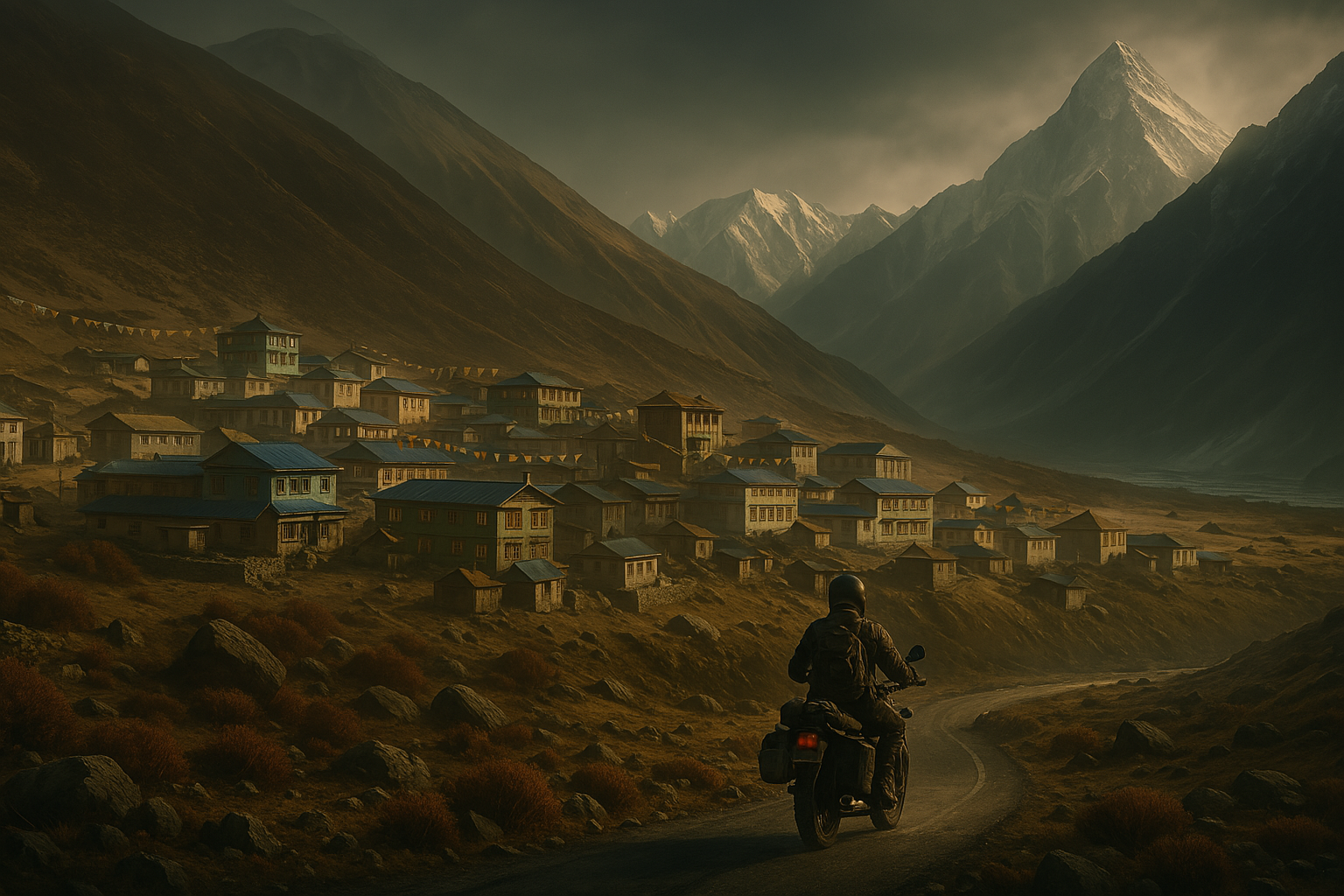
The Open Road: Leaving Shimla Behind
The road trip to Spiti doesn’t begin with a roar—it begins with a sense of surrender. As you leave behind Shimla’s winding lanes and colonial rooftops, the landscape starts to open up. Pine forests give way to sharp turns, sleepy villages, and sun-soaked valleys. The air feels different—cleaner, thinner, charged with the promise of altitude. Every few kilometers brings a new view: a river twisting through boulders, a monastery perched on a cliff, or a local woman herding sheep across the road. You roll down the windows, let the wind slap your face, and realize—you’re not just driving. You’re arriving. Slowly. Deeply. This isn’t a trip. It’s a transformation.

Chitkul and the Edge of Civilization
If you take the longer route via Sangla Valley, you’ll stumble upon Chitkul—a tiny village that feels like the last page of a storybook. Known as the last inhabited village before the Indo-Tibetan border, Chitkul sits quietly beside the Baspa River, surrounded by snow-dusted peaks. The wooden homes here are simple but sturdy, and the people are kind in a way that doesn’t expect anything in return. The road ends here, quite literally. But spiritually, something begins. You walk through barley fields, eat rajma-chawal in a smoky kitchen, and stare at the stars that don’t blink. Chitkul doesn’t ask for your attention—it earns it.

Kinnaur’s Wild Drama
The stretch through Kinnaur is not for the faint of heart. Cliffs loom above, and rivers rage below. You’ll drive through tunnels blasted into rock, roads that seem like afterthoughts, and bends that dare you to look down. But in that danger lies beauty. You pass apple orchards, prayer flags, and roadside dhabas where tea tastes like gold. There are moments when the mountains part, revealing endless valleys painted in green and grey. And then there are moments when the road disappears into dust and clouds. This is where the Himalayas test you—not just your driving skills, but your patience, your silence, your ability to be fully present in the wild drama of the Earth.

Reaching Kaza: Heart of Spiti
When you finally roll into Kaza, the largest town in Spiti Valley, it feels like landing on another planet. The air is thin, dry, and smells of stone and sun. Monasteries rise above the town, prayer wheels spin in the wind, and locals carry centuries of tradition in their walk. You check into a guesthouse, sip butter tea, and let your lungs adjust. Around you, life is slow but strong. Kaza isn’t flashy, but it has a pulse. Here, time doesn’t tick—it echoes. You wander into shops selling woolen socks, old coins, and apricot jam. You meet travelers who came for three days and stayed for three months. This is the beginning of something beautiful. Something bare. Something that stays.

Visiting Key Monastery: Between Sky and Silence
Just a short drive from Kaza stands Key Monastery, perched like a crown above the valley. You drive up a narrow road, park beside a cliff, and walk into one of the most peaceful places you’ve ever seen. Monks in maroon robes chant softly, their voices rising and falling like mountain winds. Inside the monastery, the walls are covered with thangkas and stories painted in dust and devotion. You sit on the floor, sip sweet tea, and lose track of time. Outside, the view is pure poetry—river, road, village, sky. Everything. It feels like the world has paused. And maybe, just maybe, you have too.

Lhalung, Dhankar, and Spiti’s Secret Villages
Spiti is not just about Kaza or Key—it’s about the hidden corners that few ever reach. Lhalung, with its 1,000-year-old monastery, sits quietly under cliffs that glow at sunset. Dhankar, balanced between heaven and earth, overlooks a confluence of rivers from a fortress that defies logic. These villages don’t have Wi-Fi or big hotels—but they have soul. You meet families who invite you in for yak-butter tea, children who race you up hills, and elders who speak only through smiles and stories. These places aren’t marked on most itineraries. But they mark you. Deeply. You realize that the Spiti experience isn’t just about peaks—it’s about people.

The Return: Dust, Distance, and Stillness
Leaving Spiti is hard. Not because of the road, but because of what you leave behind. The silence. The light. The way the stars looked over your tent. As you drive back—maybe via Manali this time—you pass through high-altitude passes like Kunzum La, where prayer flags dance wildly in the wind. The road back is just as dramatic, just as beautiful. But your heart feels heavier, fuller. Spiti has changed you. You came for mountains and stayed for meaning. Long after the dust has settled on your bags and boots, you’ll find parts of yourself still up there—carved into the rock, whispered by the wind, and floating forever across the Spitian sky.

Tags: Spiti Valley, road trip, Himalayas, India travel, monasteries, mountain roads, cold desert, Kaza, Key Monastery, adventure travel
← Back to All Blogs
