Temples of Tamil Nadu: A Sacred Journey Through Towering Gopurams, Ancient Rituals, Sculpted Stone Stories, Pilgrimage Towns, and the Spiritual Pulse of Southern India’s Timeless Devotion
By Clickzter Team | Spiritual India | April 2, 2025
The Gateway to Divinity: Arriving in Madurai
The spiritual journey through Tamil Nadu begins in Madurai, where ancient stories echo through the bustling streets. As you enter the city, the towering gopuram of Meenakshi Amman Temple rises into view—an explosion of colors, carvings, and divine energy. Inside, thousands of sculptures line the corridors, each telling a different tale from Hindu mythology. The temple isn’t just a place of worship—it’s a living monument. Devotees walk barefoot through stone passages, incense fills the air, and the rhythmic chanting creates a kind of trance. You don’t have to be religious to feel it—this place hums with centuries of devotion. In Madurai, the divine feels near, and time seems to bend around every sacred step.

Srirangam: The Island Temple of Eternity
In the city of Tiruchirappalli lies Srirangam—the world’s largest functioning Hindu temple complex. Built on an island formed by the Cauvery River, the temple is dedicated to Lord Ranganatha, a reclining form of Vishnu. As you walk through its seven concentric enclosures, you begin to understand the depth of Tamil spirituality. Priests chant verses, elephants bless devotees, and artisans restore murals that date back centuries. Srirangam isn’t just a temple—it’s a city of faith. You spend hours here, watching rituals unfold with clockwork grace, and feel a strange sense of peace in the organized chaos. In every stone, there’s silence. In every silence, there’s a story.

The Sculpted Symphony of Thanjavur
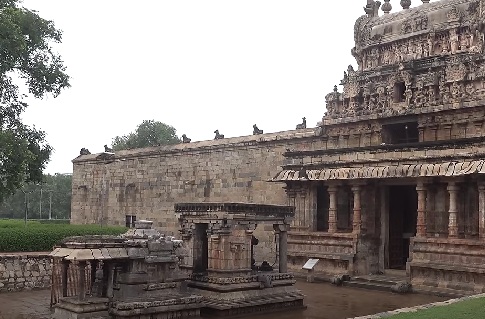
Thanjavur’s Brihadeeswarar Temple is not just an architectural marvel—it’s a statement of power, art, and devotion. Built by Raja Raja Chola in the 11th century, this UNESCO World Heritage Site features a 200-foot vimana (temple tower) that casts no shadow at noon. Every stone here feels alive. The murals, the carvings, the bronze Nataraja—everything tells a story of a time when temples weren’t just spiritual centers, but also cultural capitals. You walk around the inner sanctum, where priests offer lamps and flowers, and feel a deep, grounded presence. It’s humbling to think that such magnificence was created over a thousand years ago without machines—only with vision, skill, and belief.

Kanchipuram: The City of a Thousand Temples
Kanchipuram, once the capital of the Pallava dynasty, is one of the seven holiest cities in India. Known for its silk and shrines, the city pulses with spiritual energy. Here, temples to both Shiva and Vishnu stand side by side. You visit the Kailasanathar Temple, the oldest in the city, and marvel at its sandstone carvings—worn by time, but still speaking. Then you move on to Ekambareswarar Temple, where a 3,500-year-old mango tree grows within the temple courtyard. The air is thick with camphor, sandalwood, and sacred chants. Pilgrims offer prayers, tie threads to ancient trees, and sit silently beside temple tanks. Kanchipuram is a city where history whispers through every alley, and every stone is a prayer.

Rameswaram: Where Land Meets the Divine
At the southern tip of Tamil Nadu lies Rameswaram, a place where land, sea, and spirit converge. The Ramanathaswamy Temple here is known for its longest corridor of carved pillars—1,200 of them, stretching into spiritual infinity. Pilgrims take dips in the 22 temple wells, believed to purify the soul. The rituals are simple, but profound. You watch as people carry pots of water from the sea, as families walk together in silence, as chants echo beneath the stone ceilings. The temple, dedicated to Lord Shiva, is said to be where Lord Rama worshipped before crossing to Lanka. Whether you believe the legend or not, standing here, you feel like the ocean itself has bowed in prayer.

Chidambaram: Dancing with the Cosmos
The Chidambaram Nataraja Temple is unlike any other. Dedicated to Lord Shiva in his dancing form, this temple blends philosophy, art, and science in a way that feels cosmic. The temple is said to be built on the concept of space itself—representing the fifth element: ether. Inside, the sanctum holds no idol but empty space, symbolizing the formless nature of the divine. Priests perform elaborate rituals to this “nothingness,” reminding you that divinity isn’t always visible. Sculptures of Bharatanatyam poses line the halls, and the energy feels less ritualistic and more rhythmic—as if the entire temple is dancing with the universe. You leave Chidambaram feeling strangely light, as if part of you is still swirling with the stars.

What the Temples Teach You
As your journey through Tamil Nadu’s temples comes to an end, you realize you’ve seen more than structures—you’ve witnessed living stories carved in stone. These temples aren’t just monuments of religion; they are archives of art, philosophy, and resilience. You carry back more than photos—you carry the hush of incense-filled corridors, the echo of ancient chants, and the feeling of standing before something much larger than yourself. Whether it was the quiet of a sanctum, the dance of shadows in a gopuram, or the kindness of a stranger offering prasad, each moment left a mark. Tamil Nadu doesn’t just show you temples—it teaches you how to pause, listen, and bow. Not just to gods, but to time, to craft, and to grace.

Tags: Tamil Nadu, temples, South India, gopuram, spirituality, Indian architecture, pilgrimage, ancient India, cultural heritage, devotional travel
← Back to All Blogs
